
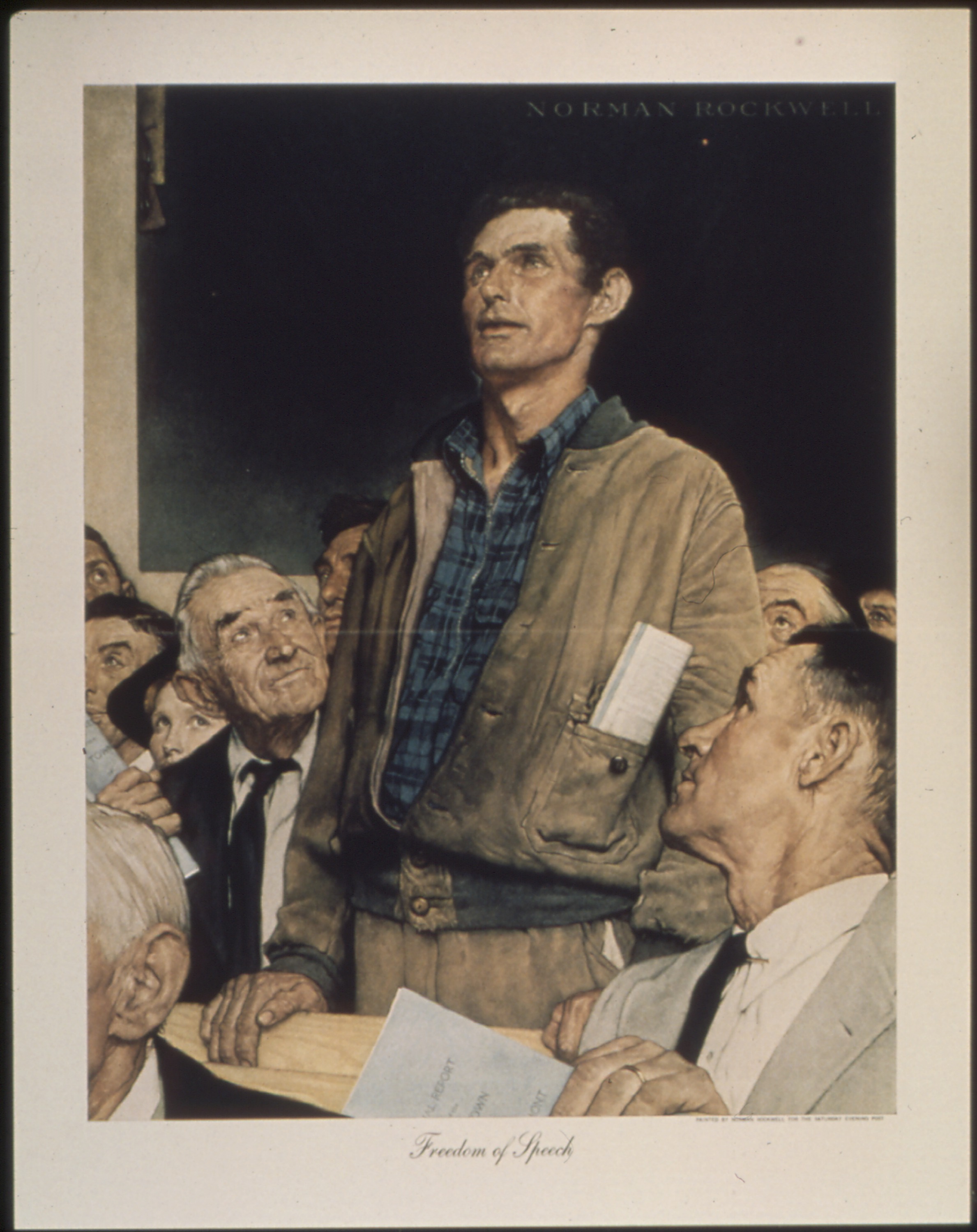
The public community meeting is core to American civic life as a manifestation of our First Amendment rights to speech, assembly, and petition for a redress of grievances. As Americans, we want to hear from our peers and be heard by our elected leaders. Across New Jersey, residents of cities, boroughs, and townships of all sizes routinely participate in neighborhood associations, zoning hearings, council meetings, and purpose-called community meetings.
These public meetings are valuable because they can foster civic engagement but are not a replacement for the decision-making needed for good government. They also are not particularly useful at gauging community support on critical issues either as community meetings are frequently not very representative of the community. Research from meetings around Boston shows public meetings are often quite unrepresentative of the public at large as attendees often skew older and wealthier. And those who have a special interest in attending will make a special point to do so.
Who Organizes and Attends Community Meetings?
A homeowner who lives near a property seeking a zoning variance is more likely to show up to oppose a new apartment building than a renter seeking new housing. A car owner who opposes bus lanes is more likely to attend a meeting than a resident who depends on those same buses and is snarled in slow-moving traffic. The most frequent users of any city’s bike infrastructure are delivering dinner to your doorstep while their neighbors launch invectives against protected bike lanes. And most families who desperately want safer streets for their children are starting their bedtime routine during the evening when most public meetings are held.
Bus Lanes and Safe Streets

Politicians can manipulate community meetings for their own ends as well. In Jersey City, Ward F Councilman Frank Gilmore expressed reservations about road changes proposed by Mayor Fulop after a six-year old boy was hit by a truck making a left turn. Gilmore launched a social media campaign, calling on the city’s infrastructure team to share its preliminary plans to redesign MLK and Bergen Ave with the community while simultaneously raising doubts about the plan before the presentation.
The meeting was controversial. Almost everyone feels losses more than they appreciate gains. The councilman marketed the plan in provocatively simple terms as a “one-way” road conversion without mentioning any benefits of the project like improved bus speeds and pedestrian safety. A glaring oversight, perhaps. Only half of all buses using those roads are on time. Residents are equally likely to take the bus to work as they are to drive as 41% of households do not own a car. And the streets in question are home to 25% of the fatalities and serious injuries on Jersey City’s streets.
Residents were indignant about the city adding bike lanes to their streets. The only problem is that bike lanes were not presented as part of the city’s official plans for MLK and Bergen. This did not stop participants who were angry about the idea of bike lanes from making threats against the team presenting the actual plan for bus lanes. What value does provoking such outrage serve? Such a meeting offers no guidance to the city’s civil servants on how to proceed. They got feedback on a plan that does not exist.
Provoking popular outrage might benefit a populist incumbent seeking re-election. But the hard work of governing demands a more educational approach. Elected representatives must be leaders who are willing to persuade their constituents to support necessary changes that improve the community’s overall quality of life. The best elected leaders are those who put in the hard work of nudging their constituents to take positions that serve the best interests of everyone, even if they don’t realize it at first.
Community Meetings and Attempts to Commercialize Liberty State Park

Community meetings can also be used to delay and disrupt public consensus. We are all too familiar with how the billionaire Paul Fireman made a series of campaign contributions to elected officials like Senator Brian Stack and donations to non-profits run by Jerry Walker and Bob Hurley, using their support to kill plans to protect and revitalize Liberty State Park. Fireman lobbied Trenton for a bill that introduced a task force and series of public meetings designed to astroturf “community support” for a plan to commercialize the state’s premier urban park and turn it into a sports venue. Although commercialization was ultimately defeated by massive public backlash, the core piece of interior park restoration was delayed by over four years to 2028 due to countless community meetings and public information sessions.
Keeping New Neighbors Out

Housing is one of the most notorious and well-documented examples of public meetings being used to protect the few at the expense of the many. Even in Jersey City, where there has been massive amounts of new housing construction, powerful neighborhood associations routinely derail or downsize projects that would build more affordable homes, schools, retail, and public plazas on surface parking lots downtown.
Across the state, the problem is even worse. Hoboken, a city with some of the highest median rents in the country, struggles to develop affordable housing on parking garages due to cynical council members who abuse the community meeting process to delay progress.
Pandering to the few who can Attend Community Meetings Leads to Governmental Paralysis and Discontent
We should not govern exclusively by the feedback heard at public community meetings. We would question the wisdom of community meetings if attendees came out against basic safety improvements like stop signs or crosswalks. Given the evidence on Vision Zero improvements like curb extensions, bike and bus lanes, eliminating conflicted left turns, and one-way street conversions, opposition to such infrastructure improvements is not so far afield. These changes save lives and make streets easier for people who don’t drive. Why should a select few attendees dictate improvements to public streets that are for the public good?
And we would outright condemn such meetings if participants were ardently in favor of restrictive covenants to enforce racial and economic segregation. Yet many objections to housing development, especially affordable housing, produce the same de facto result, which denies low and middle-income households the opportunity to live near the best schools. This is especially troubling as much zoning regulation in urban planning is based on past exclusionary zoning policies.
Yet neighborhood associations frequently lead the charge against new housing developments, including projects with large amounts of affordable housing. Affordable housing in wealthy neighborhoods is important because it not only provides housing but young children from poorer families who move from neighborhoods with high poverty rates to richer neighborhoods earn more over their lifetime.
When we cater to the people who are most upset about any proposed change, we are sacrificing the future for those who cannot imagine anything beyond the present. Time after time, controversial proposals have proven to become more popular once implemented. Congestion pricing was a widely hated idea before its implementation. Yet its popularity surged once the program went live. Even the bike lanes and pedestrian plaza were widely panned when introduced by the Fulop administration; now, both are well-used models that are being replicated across the city.
Governing is hard but it is made harder by the perception that the government does not work at all. A large reason for that perception is due to the paralysis induced by endless public input. Change management around much-needed but seemingly unpopular investments is needed now more than ever. It is up to our elected officials — especially those who are seeking to lead the city as mayor — to message and promote the much-needed changes to improve our streets, protect our parks, and grow our housing supply. For talented leaders, community meetings are an opportunity to persuade.
2 responses to “What Does a Community Meeting Cost the Community?”
People in our community don’t want this shit! That’s it! Also, Frank Gilmore is our representative. There is no other that speaks on the behalf of the people as he does! Bottom line!
Also, who are you? How long have you lived here? Have you tried to chat with me or others who live here? If not, Try first!!
[…] Read More: What does a Community Meeting Cost the Community? […]