
Dear Councilmembers,
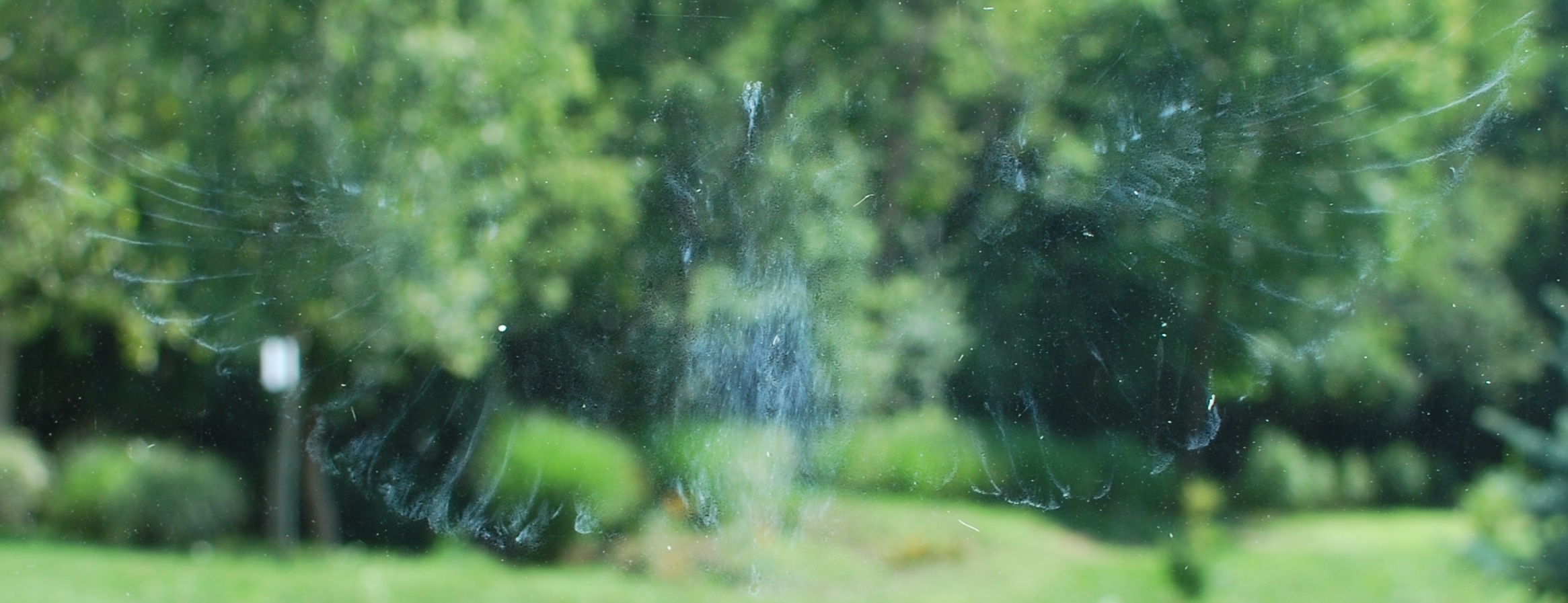
We all want to protect wildlife and the natural environment in Jersey City and across the Garden State. On Tuesday, you are being asked to vote on an ordinance to require bird-friendly design standards to reduce bird strikes against glass windows, which is a noble goal. While it is being framed as a vote for or against bird safety, what your vote should really come down to is whether the costs are worth the benefits of this particular ordinance. According to research, every building with windows in Jersey City is a potential bird-killing hazard, but would you vote to demand every house in the city replace or retrofit their windows tomorrow? If you wouldn’t vote to do so, is it because you don’t care about saving birds? Or is it because it could prove a costly burden on the residents of Jersey City?
Benefits must outweigh costs to be worth it. But what are the costs and benefits of the ordinance you actually have in front of you? How do the details of that ordinance compare to ordinances in other cities? Unfortunately nobody has done their homework on this, as we detail below.
Faulty Premises About Costs
You’ve been asked to support this law based on the premise that it does not significantly increase costs. Proponents of this ordinance have quoted an estimate from Jim Cubie, a retired lawyer and advocate for bird-safety laws who authored a report for Muhlenberg College on bird-safe glass. Based on this report, they have been claiming that the cost of bird-safe glass is just 0.38% of a building’s cost (his actual estimate was $30,000 for an $8 million office building). We assumed those numbers were accurate when we first reviewed them, but since office building construction projects are very different from the primarily residential construction that takes place in Jersey City, we reached out to Mr. Cubie to see if we could get a cost estimate more relevant for multifamily residential.
Our conversation with Mr. Cubie on November 19 was eye-opening and surprising. We mentioned to Mr. Cubie that proponents of the bird glass ordinance were citing his 0.38% cost figure as the cost of bird-safe glass on a typical project. We were shocked when he replied that if anyone was using this 0.38% cost estimate to determine how much bird-safe glass would increase costs today, they were using it incorrectly.
Mr. Cubie said his estimate on the costs of bird glass is a scenario that assumes 1) that a council passes an ordinance with a 10-year phased-in implementation and 2) bird-safe glass cost premiums could fall to 25% above normal glass within 10 years. Mr. Cubie’s estimates are based on that assumption and not present day realities. He said that if he had to guess the cost of bird-safe glass today, it could be closer to a 100% premium on the cost of regular glass rather than 25%. This is in line with an estimate from a construction and architecture industry group in Wisconsin which estimated the premium at 100% to 300% over the cost of regular glass. Similarly, we called Tower Insulating Glass in Bellmore, Long Island, a leading supplier of bird-safe glass and they said bird-safe glass adds $15 to $20 per square foot to the cost of their stock glass, close to the 100% premium.
Mr. Cubie also explained that his estimate is for office buildings and not the kinds of residential buildings that make up the bulk of construction in Jersey City. As to why he was developing an estimate for 10 years down the line, he expressed disbelief that most city councils would phase in a bird safety ordinance all at once rather than seek gradual implementation as a compromise. He further claimed that the ordinance in Newark, cited by advocates in Jersey City, is being phased in over a 10 year period rather than immediately as is proposed here. We tried calling Newark’s zoning officer to verify, but we’re unable to reach anyone.
Details Matter – Proposed Ordinance Could Be Strictest In USA
The American Bird Conservancy (ABC) website lists two dozen existing bird-friendly ordinances across North America, and none of them is stricter than the ordinance proposed in Jersey City. As the ABC website notes: “None of the existing legislation and ordinances evaluated below goes as far as ABC’s Model Ordinance” and “politics involves making compromises.” True apparently everywhere across the country, except in Jersey City.
Proponents have said Newark and New York City already have bird-safe glass ordinances. But there are huge differences between those ordinances and what’s being proposed here. Newark’s ordinance only applies the standards “to the extent practicable” while Jersey City’s lacks this language; this allows flexibility to deal with situations where the costs are unconscionable and provides room to phase the ordinance in gradually as costs decrease, instead of all at once. Newark’s ordinance is only triggered by changes to the building envelope–things like additions or new construction. Amazingly, Jersey City’s proposed ordinance applies to all rehabilitations (that means repairs and renovations in existing buildings) in addition to new construction, and would apply to all buildings including single-family homes. Jersey City’s proposed ordinance would also increase costs by up to 33% more than New York City’s ordinance. Here, the bird-glass law would apply to 100 feet rather than the 75-foot limit across the river. ABC notes that 10% of the facade is exempt in New York, while the standards apply to the entire facade in Jersey City. Jersey City cannot afford to put in place more lavish and costly mandates than New York without considerably raising housing construction costs.
Why is Jersey City enacting costlier legislation than any other city in North America, when we do not have a good grasp on the cost?
As far as the benefits, we have no idea how many birds these interventions would save. Advocates have claimed for at least 6 months that a Jersey City bird collision study was about to be completed. Yet we have seen no movement on the study, while the ordinance is being rushed to a vote.
How can we do due diligence and make an informed decision as to whether this ordinance has merit given we know almost nothing about either the costs or the benefits? We are private citizens and residents of Jersey City yet, by calling Mr. Cubie and asking for details about his estimate, we did more due diligence than everyone whose job it is to vet and vote on this ordinance? This ordinance might make sense, but the city has not done its homework to verify the costs and the benefits of an ordinance like this one.
New Jersey preempts municipalities from passing their own building codes, in part, because our cities and towns lack the resources to be capable of making informed decisions on technical matters relating to construction materials. Perhaps we would be better off leaving bird-safe glass legislation up to our state legislature as well where they can spend adequate time and resources evaluating the proposal.
Carry the Ordinance – Get More Facts
Carry this ordinance on Tuesday. Wait until more information is obtained about costs and a bird study has been completed or, failing that, amend the ordinance to match the building envelope triggers in Newark’s ordinance, and add “to the extent practicable” language.
Sincerely,
Dario Gutierrez & Eric Conner
Better Blocks New Jersey