
This post was written by Christian Gomez, a volunteer with Better Blocks NJ and a Jersey City resident who lives in Bergen-Lafayette.
There’s a particular kind of paralysis that masquerades as civic virtue in Jersey City. It shows up at community meetings dressed in the language of “resident input,” “stakeholder engagement,” and “co-governance.” And it ends with almost nothing getting built, fixed, or decided. Residents should start asking a simple question: do we want our elected and appointed officials to govern, or do we want them to keep asking us for permission to do the jobs we elected them to do?
Why do we need a de facto community referendum on little changes like expanding permitted parking zones?
In November 2025, NJ Transit, which owns and operates the Park & Ride lots at the Liberty State Park and West Side Avenue Hudson-Bergen Light Rail stations, banned overnight parking at both locations. The decision was unpopular with residents of Bergen-Lafayette and the West Side, who had come to rely on those commuter lots as overflow parking. Council President Denise Ridley (Ward A) received most of the complaints, and she responded by introducing an ordinance to create residential permit parking zones in the affected neighborhoods. It passed first reading 9-0 but is still awaiting a second reading.

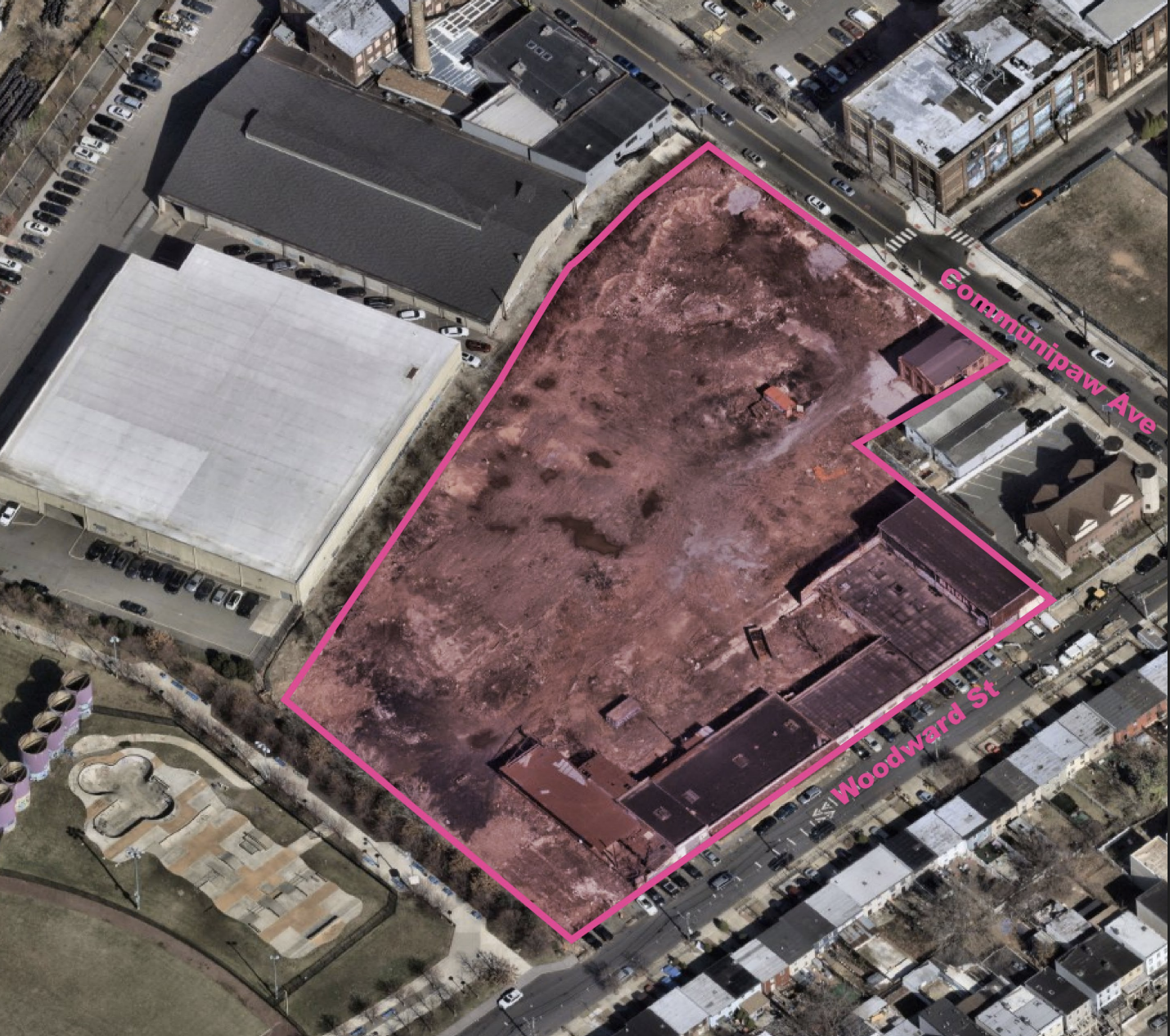
Expanding permit parking to parts of Communipaw by the light rails station seemed like it would sail through when the ordinance was first introduced and passed its first reading. Instead, it’s been delayed over a month. Finally, on Tuesday, April 7, Council President Ridley, along with Assemblyman Jerry Walker, convened another community meeting in Bergen-Lafayette to litigate the issue of parking with attendees, alongside a separate discussion of the proposed 417 Communipaw Ave rezoning (the project at the old Steel Tech site that has had numerous community meetings over the years). Several dozen residents, including myself, showed up to speak with city officials.
Andy Kaplan, Jersey City’s newly appointed Director of Infrastructure and a professional traffic engineer by trade, opened the floor for Q&A alongside Ridley. What followed was a predictable request for more parking rather than solving the problem of too many cars. One resident suggested the city turn the land under the Turnpike Extension viaduct into parking. Another proposed the city partner with auto insurance companies to sponsor publicly-owned lots. Kaplan, a subject-matter expert whose job is designing functional streets, eventually asked for a show of hands on whether the neighborhood wanted permit parking at all. While a majority said yes, many said the idea “needs more thought.”
Putting a price on parking and creating zoned permit parking is not a novel concept. Much research has gone into the high costs of “free” parking. It should not require an extensive series of community meetings to address this issue. Yet here was the Director of Infrastructure taking an extremely unscientific straw poll of attendees to assess whether there was support to create a new zone for a parking permit that costs $15 a year for residents. This is a change so minor and so clearly needed that it should have passed a second reading weeks ago 9-0.
This is an abdication of leadership
There are clear, evidence-based policy prescriptions that deliver safe streets and abundant housing, and Jersey City has professional staff who know what they are. Kaplan clearly isn’t the problem here. He’s doing what the political culture in City Hall wants every government functionary to do: chase consensus at all costs, even on decisions that don’t require it.

Community input can be valuable. It is especially useful for evaluating and discussing tradeoffs between proposals. It is a waste to answer simple and straightforward questions like “should we have paid permit parking?” That question has a clear “yes” for an answer when on-street parking is scarce. Something is wrong if the city’s Infrastructure head has to seek absolute consensus from whomever happens to show up at a community meeting on a weekday evening, especially because those meetings can be unrepresentative [Neighborhood Defenders: Participatory Politics and America’s Housing Crisis].
The Steel Tech rezoning tells the same story in brick and mortar
The 417 Communipaw Ave rezoning is the same dynamic but in the form of brick and mortar housing. The “community giveback” list for Steel Tech has ballooned to include street widening on Woodward Ave, a recreation center, additional surface-level public parking, 20,000 square feet of open space, and subsidized commercial rents. The project likely does not work financially without some form of government subsidy like a PILOT agreement.
City Planner Matt Ward deserves credit for telling residents honestly that not all of what they “want” will fit on the parcel (nor is there infinite room in the budget). Recognizing and educating the public on tradeoffs is a good use of community meetings but, the problem with Steel Tech, is the list of demands got this long in the first place because our elected officials routinely fail to set parameters or realistic expectations. Politicians who seek to please everyone often end up pleasing no one.

This is a pattern Better Blocks has flagged before in the context of PILOTs and inclusionary zoning: when elected officials refuse to articulate what a project actually needs to pencil, the conversation drifts toward a wish list that no project can deliver. The result isn’t better community benefits, but rather fewer projects breaking ground, fewer homes built, and fewer of the amenities residents were promised.
When no one draws a line, demands compound without constraint, and everyone leaves disappointed when reality hits.
What actual engagement looks like
There’s a version of community engagement that serves residents well: elected officials present concrete options, subject-matter experts get to articulate the tradeoffs, and the public responds to real proposals rather than drafting them from scratch in a church basement. But that requires elected officials who come to meetings be prepared to lead, educate, and present a vision of what’s possible and who are willing to stand by the city’s professional staff to get things done.
Last year’s disastrous and chaotic community meeting on dedicated bus lanes ultimately led to the loss of much of the Infrastructure Department’s senior staff after attendees threatened their safety. While this week’s meeting was much less contentious, it still showed Jersey City’s elected officials are unable to take decisive action on even the least controversial of decisions.
Jersey City has no shortage of thoughtful, engaged residents willing to show up. What’s in short supply is elected officials willing to meet that energy with decisiveness, and a political culture that lets our city’s leadership do the jobs they were hired to do.